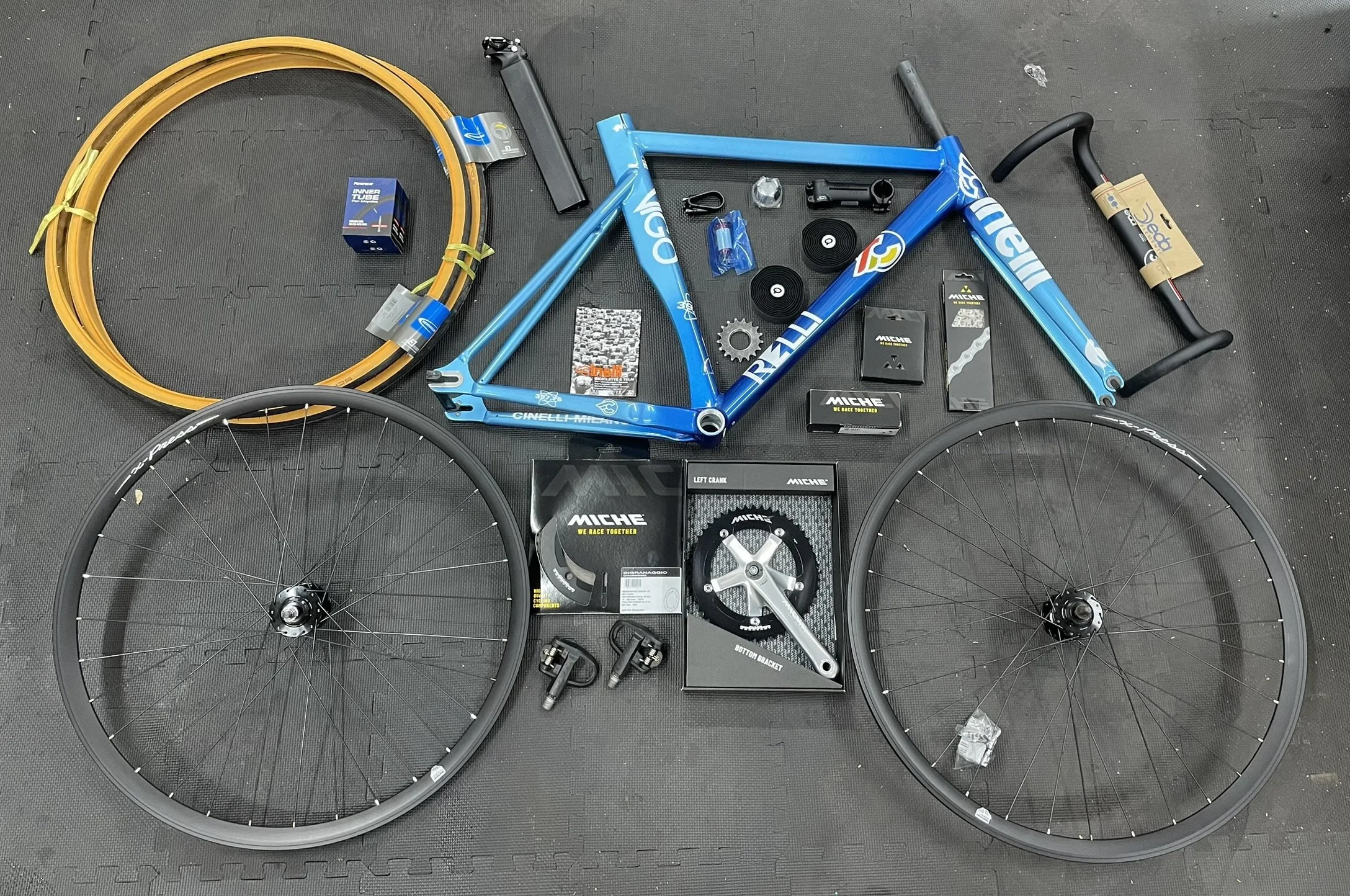
Custom Builds
If you're looking for something a bit special, a custom-built cycle really stands out from the crowd. Unlike standard shop bikes that are mass-produced, this one has been carefully put together with attention to detail and quality parts.
One of the biggest advantages is that every component is chosen to work well together, giving you a smoother ride, better reliability, and a bike that simply feels right when you're out on the road or trail. Custom builds often include upgraded parts that you wouldn’t normally find on a standard off-the-shelf bike.
Another great thing is uniqueness. With a custom cycle, you’re not riding the same thing as everyone else. It has its own character and style, which makes it feel much more personal.
Because it’s been built and maintained with care, you also know exactly what you’re getting. No mystery parts or cheap components – just a solid bike that’s been put together properly.
Overall, a custom cycle is a great choice for someone who appreciates quality, individuality, and a better riding experience.
Carefully Custom Built
• Carefully Custom Built
This bike has been built up piece by piece rather than mass produced in a factory. Each component has been chosen to work well together, which helps create a smoother ride and better overall performance. A custom build often means better attention to detail during assembly compared to standard production bikes.
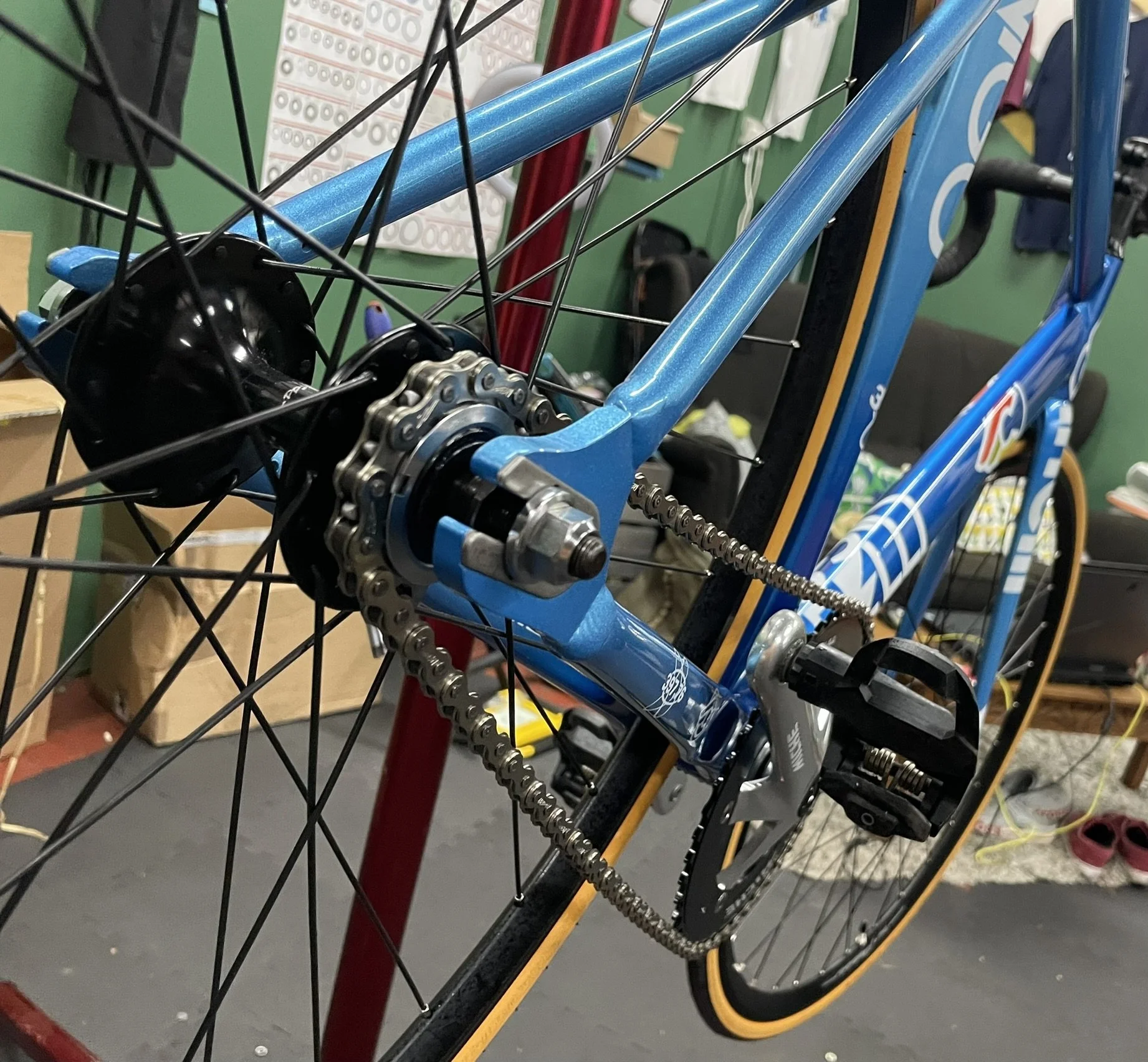
Great Riding Experience
• Great Riding Experience
Because the components work well together and are often of better quality, the bike tends to feel smoother, more responsive, and more comfortable when riding. Whether you're commuting, going on longer rides, or just cycling for enjoyment, a custom build can make the experience much more enjoyable.
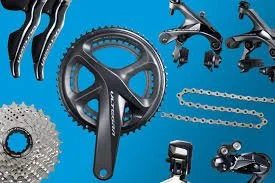
Quality Components
• Higher Quality Components
Many custom bikes include upgraded parts compared to what you’d usually get on a standard shop bike. This can mean stronger wheels, smoother gearing, and better braking performance. Higher quality components also tend to last longer and perform more reliably over time.
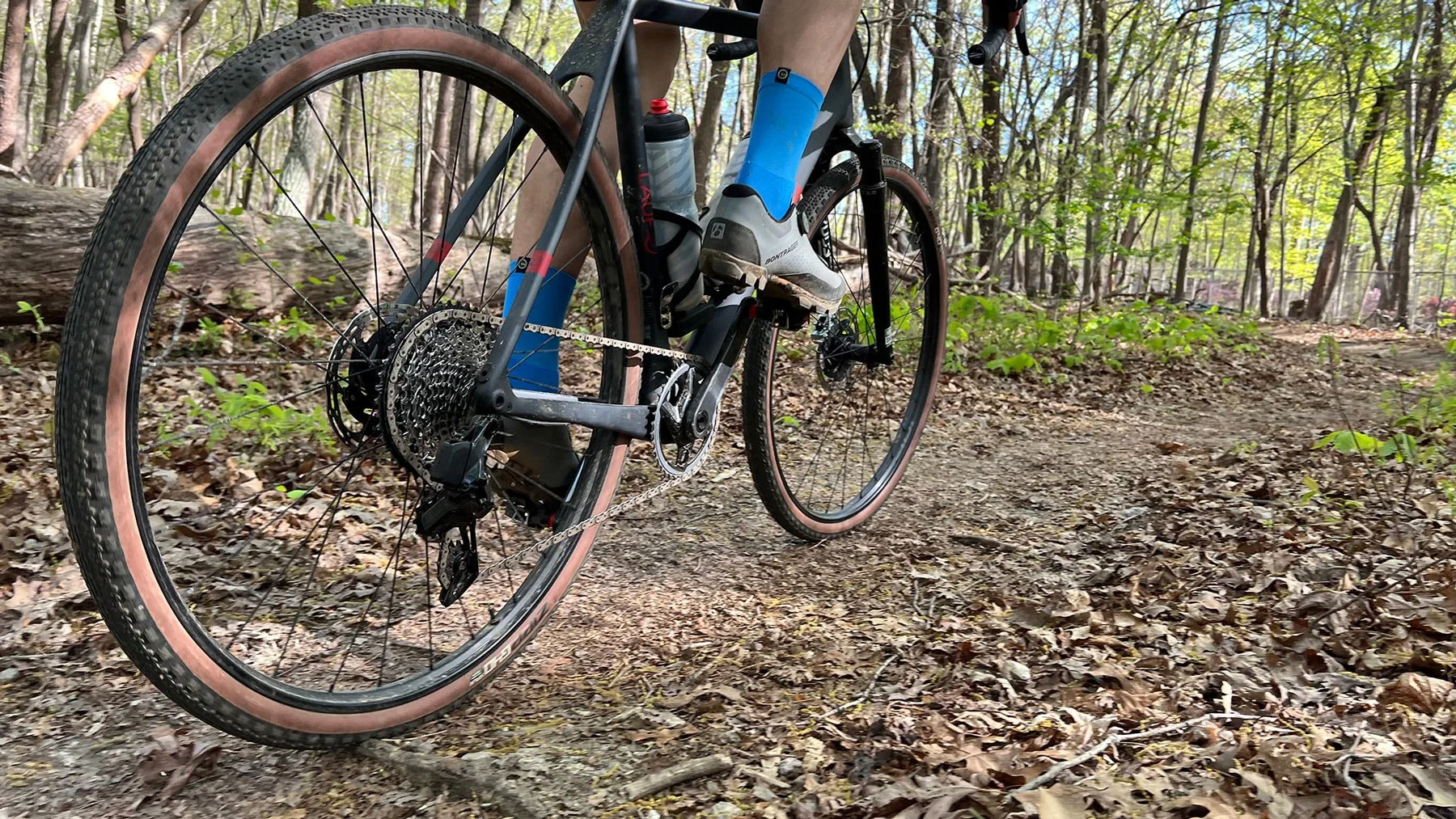
Unique and Individual
• Unique and Individual
With a custom cycle, you’re not riding the same bike as everyone else. The build, parts, and overall look make it more unique and give the bike its own character. It’s a great option for someone who wants something a bit different from the usual off-the-shelf models.
Excellent Value
• Excellent Value for Money
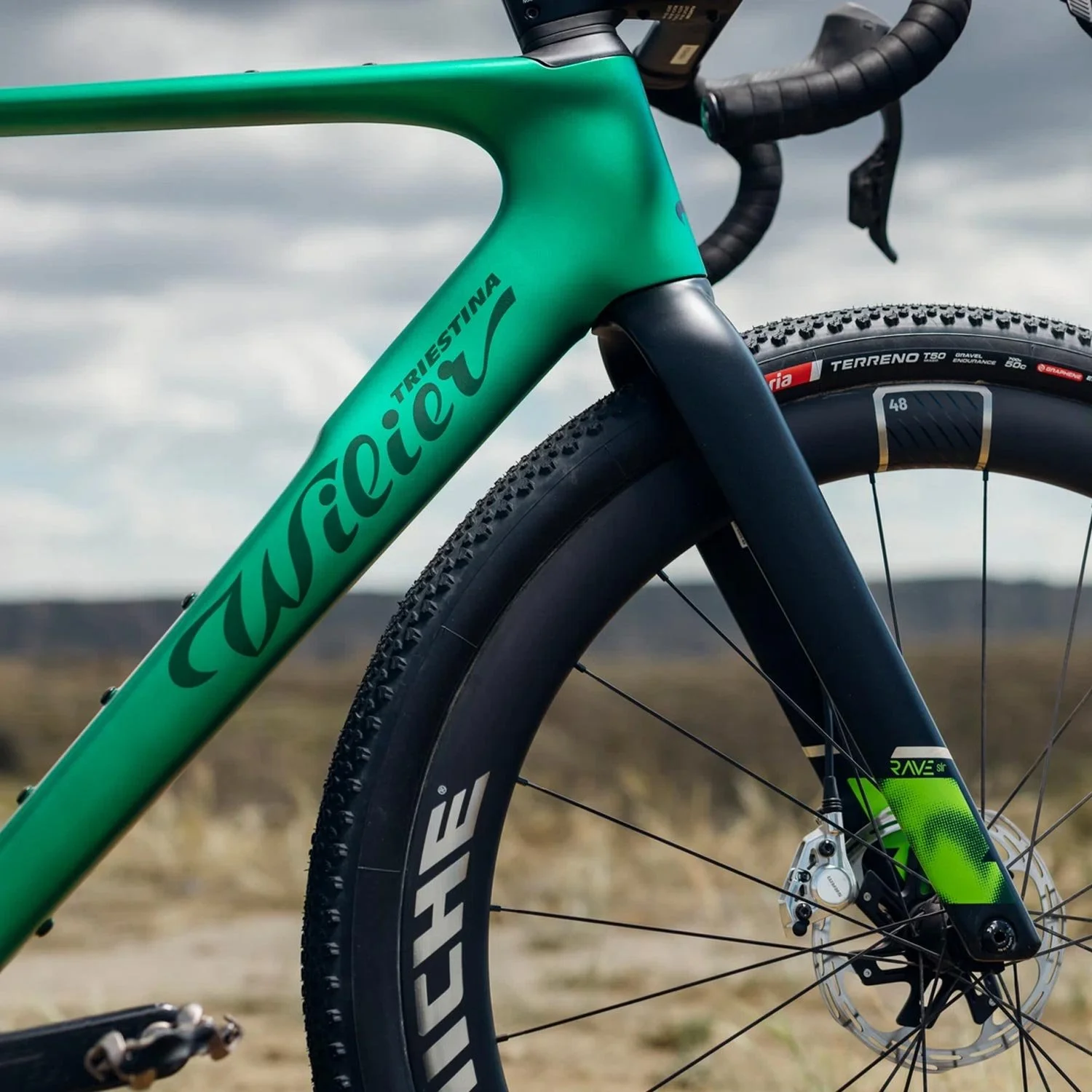
Buying a custom-built bike often means you’re getting a lot of value in the components included. If you were to buy the same quality parts separately or on a new bike, it could cost significantly more, making this a great option for someone looking for quality without paying brand-new prices.
Built With Care
• Built and Maintained With Care
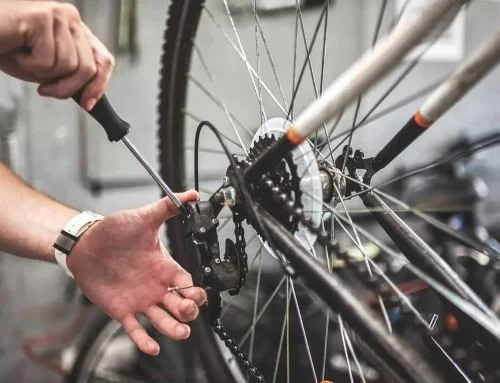
Custom bikes are usually built by someone who takes time to assemble everything properly, ensuring parts are fitted and adjusted correctly. This means the bike has likely been looked after and maintained with care, which can give extra confidence in how it rides.
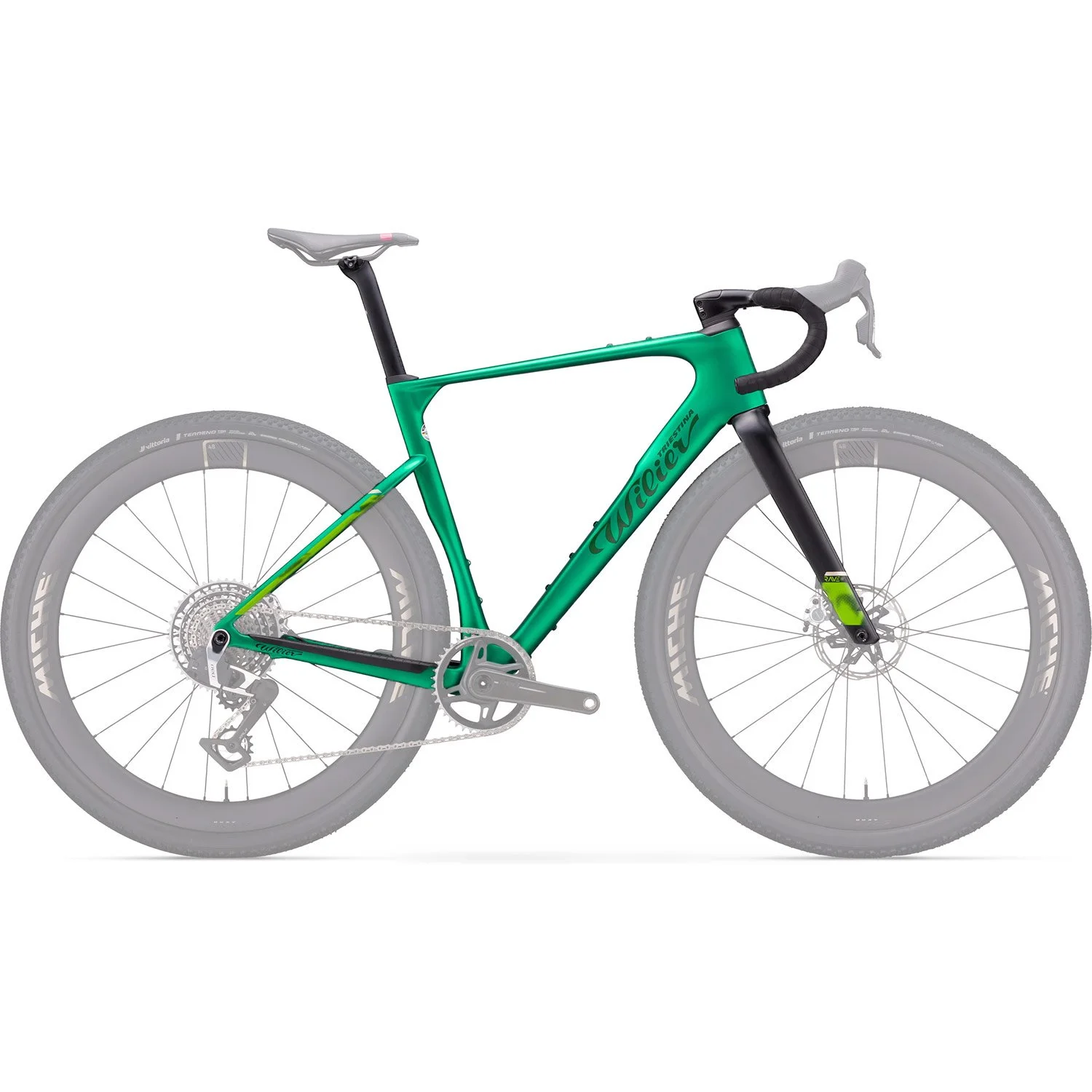
The Frame
• Comfort
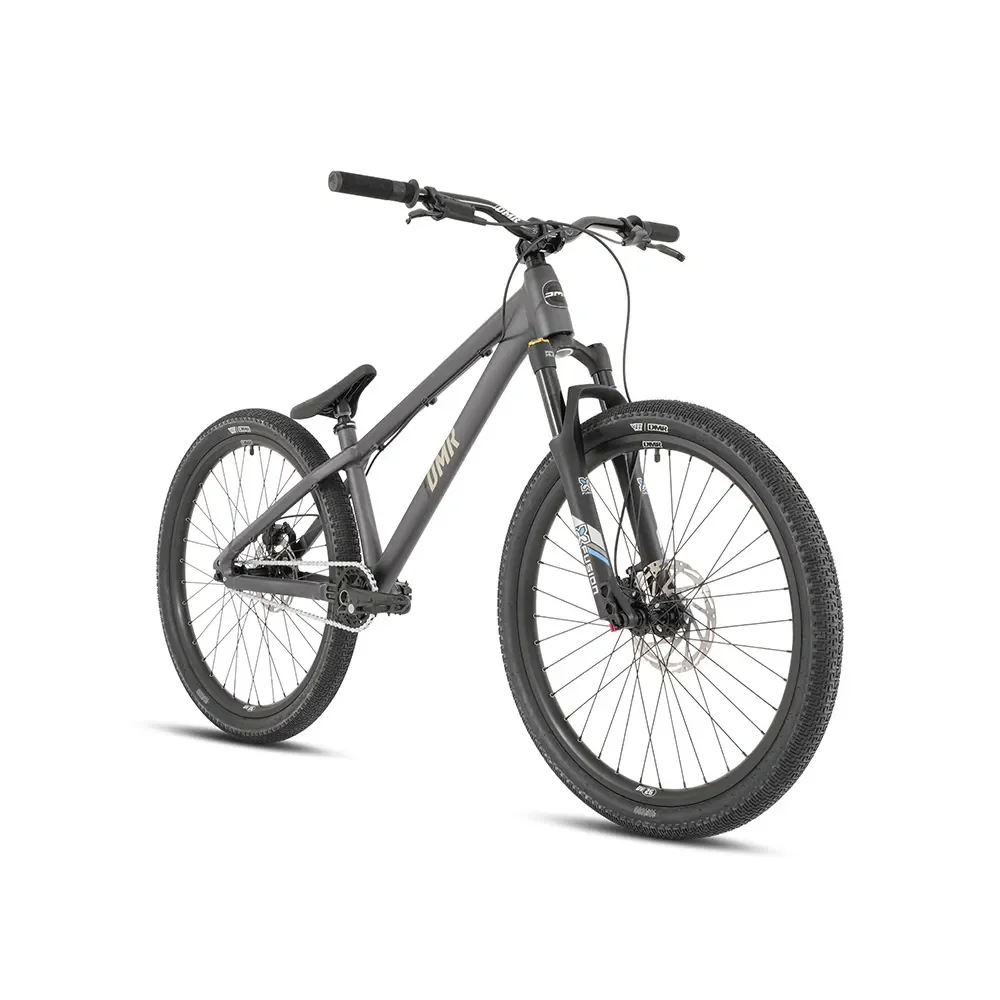
The right frame size helps you ride in a comfortable position without putting strain on your back, shoulders, or knees. This makes cycling much more enjoyable, especially on longer rides.
• Better Control
A properly sized frame makes the bike easier to handle and balance. Steering feels more natural and you’ll feel more confident when turning, stopping, or riding at speed.
• More Efficient Riding
When the frame fits your height, your legs can move properly while pedalling. This helps you ride more efficiently and reduces fatigue.
• How to Choose the Right Size
Frame size usually depends on your height and inside leg measurement. A good guide is making sure you can stand over the bike comfortably and reach the handlebars without stretching too much. The seat height and handlebars can also be adjusted to fine-tune the fit.
• A Better Overall Ride
Getting the right size frame means the bike will feel more natural to ride, making cycling safer, easier, and more enjoyable.
Helpful links
this is a list of links that could help you find the right frame, or your more than welcome to come in for a chat
GroupSet
Why Choosing the Right Groupset Matters
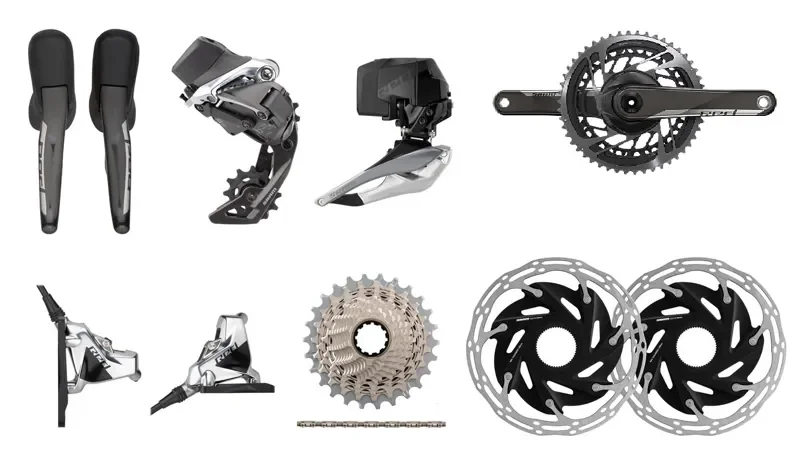
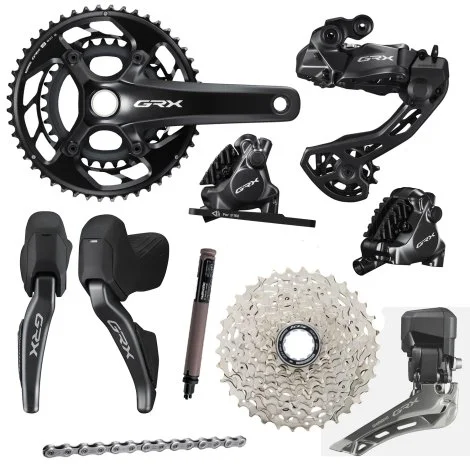
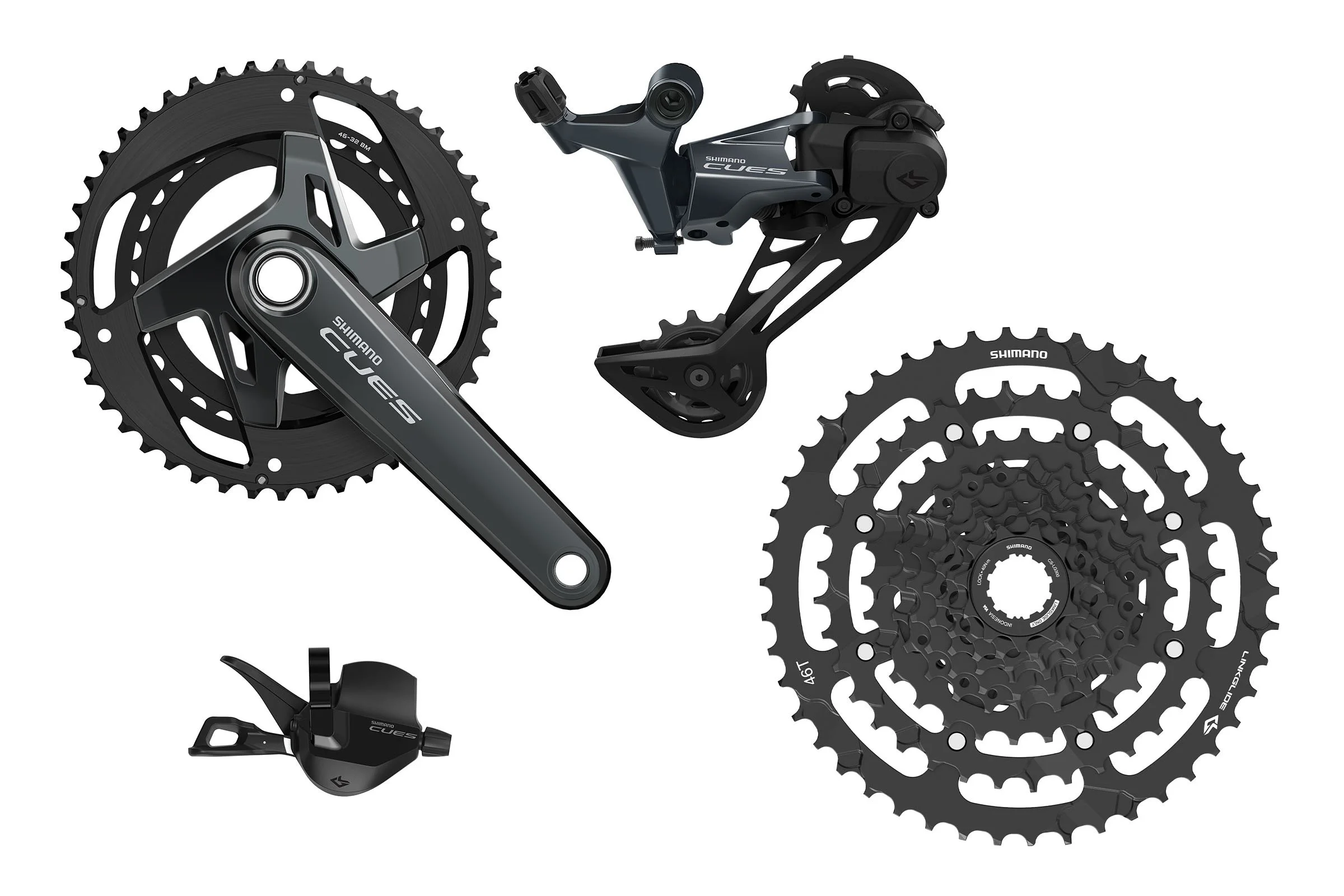
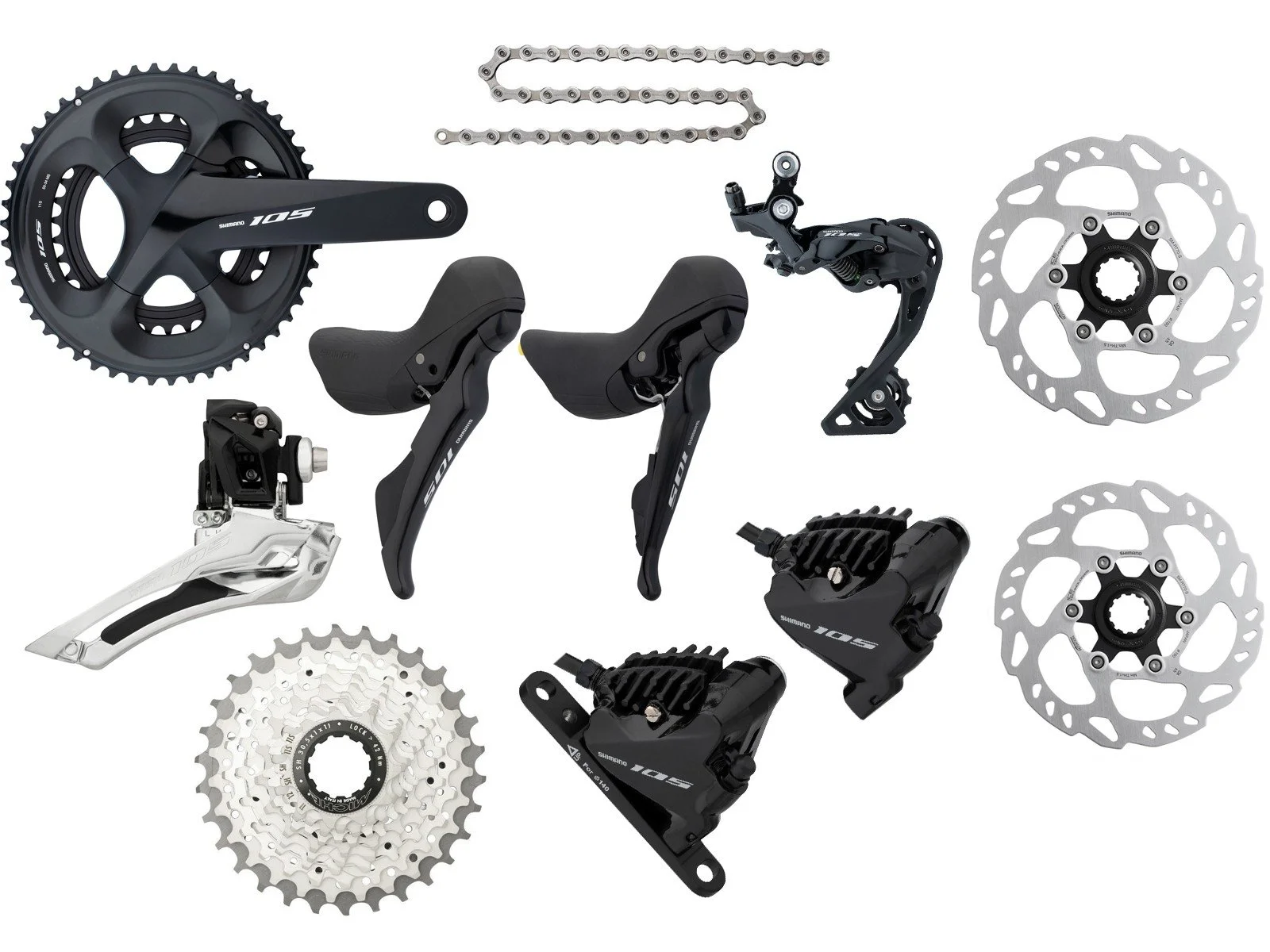
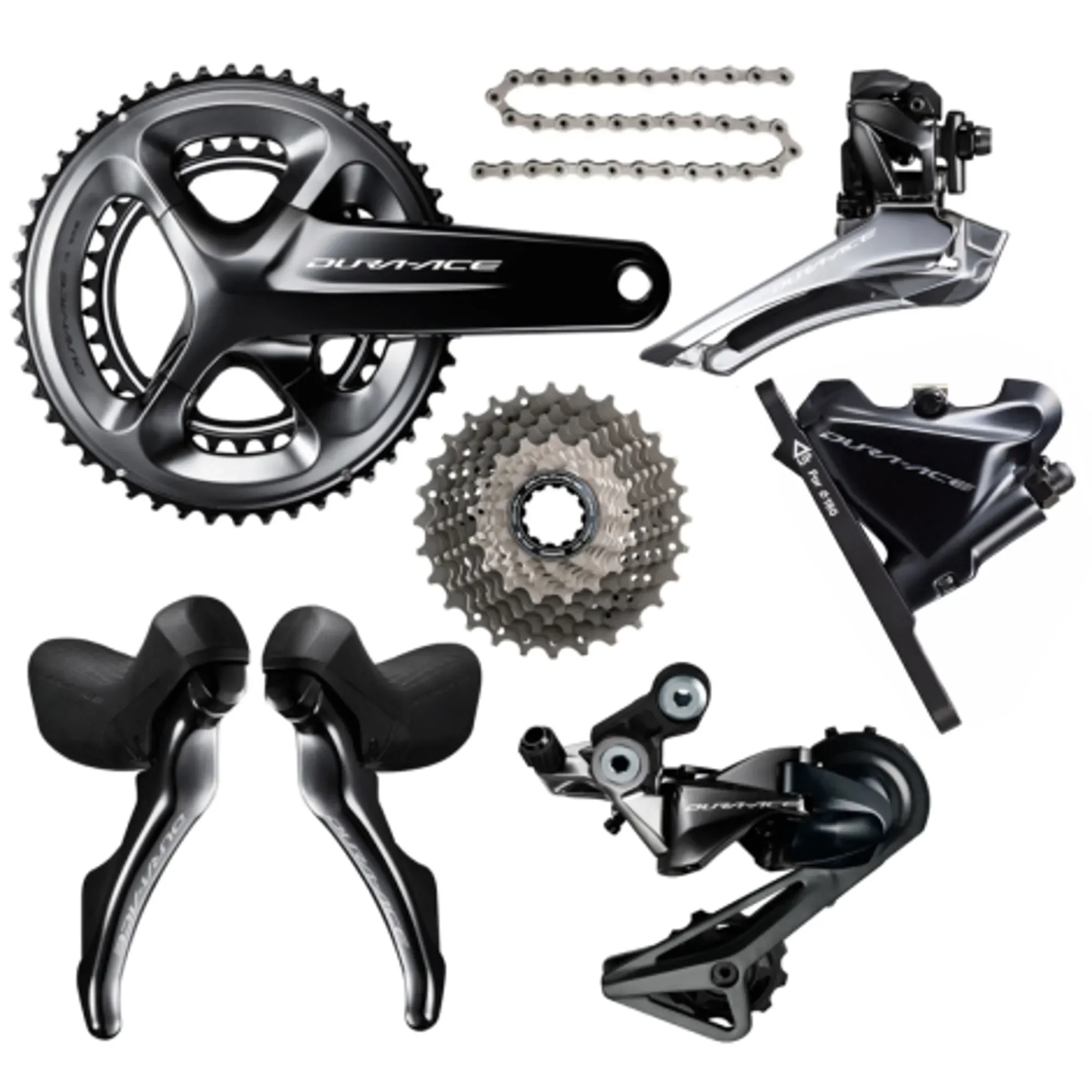
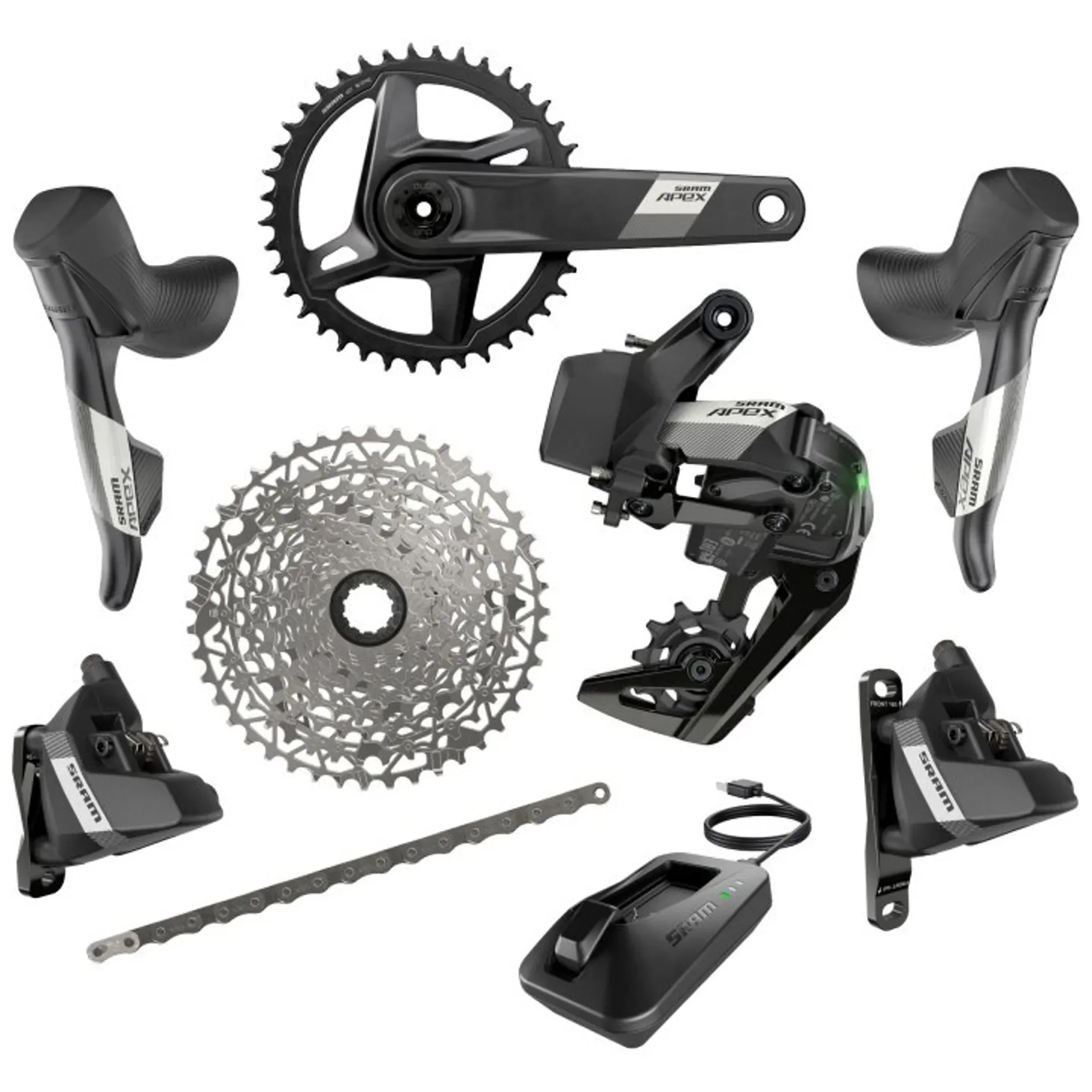
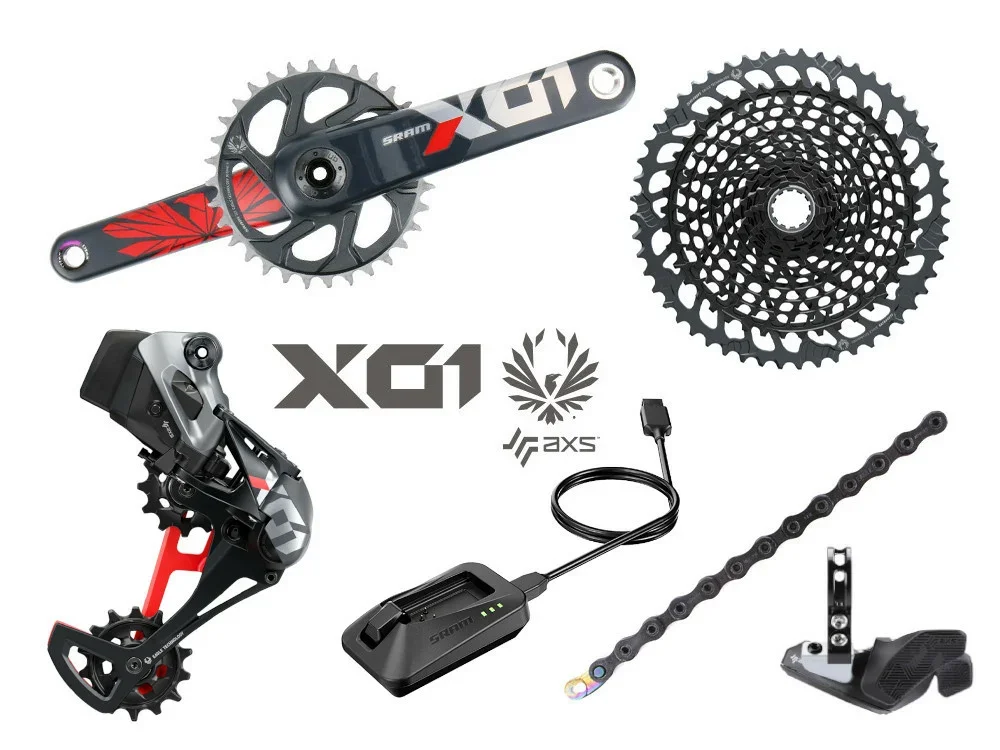
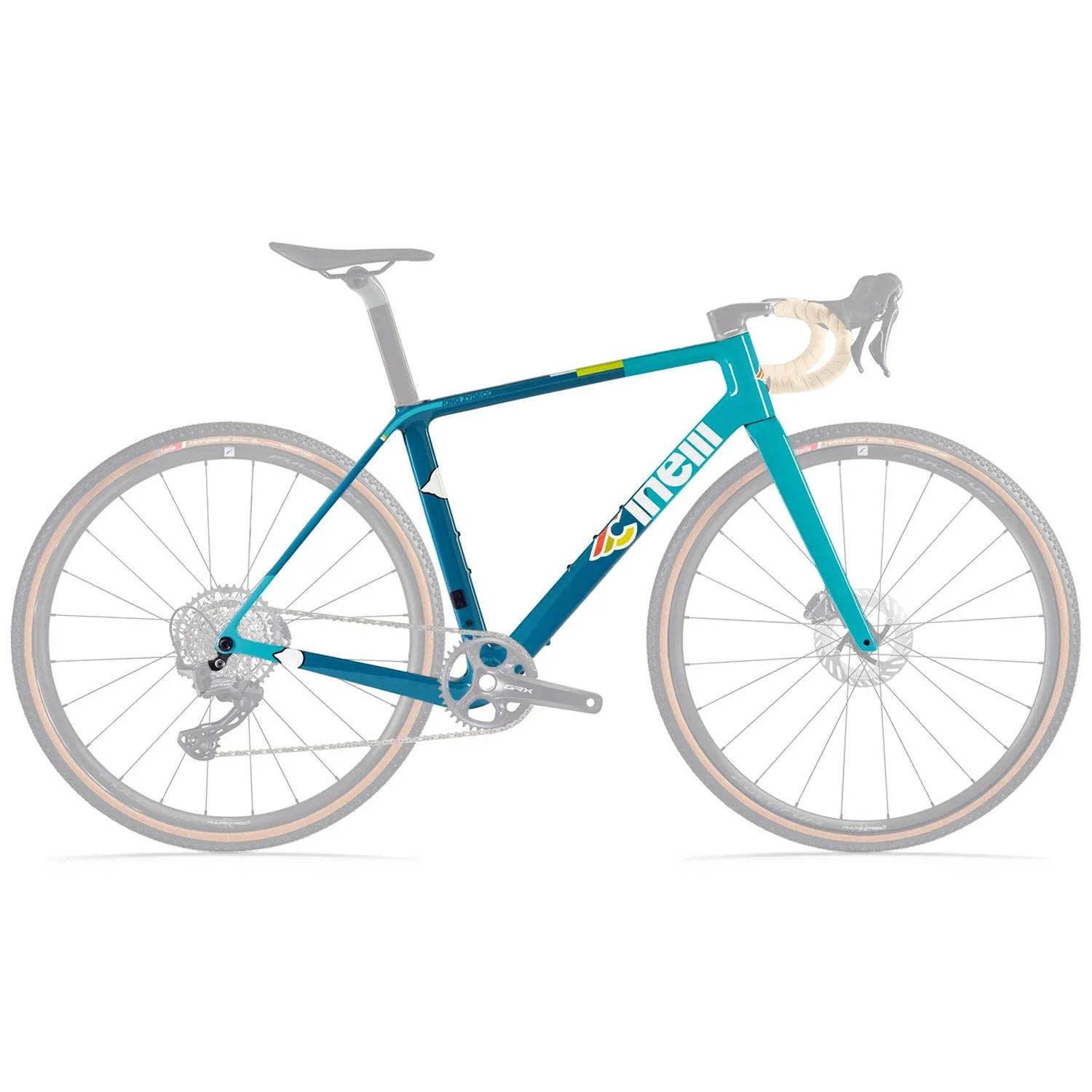
When building a custom bike, the groupset is one of the most important components to get right. It plays a key role in how the bike performs, how it feels to ride, and how reliable it is over time.
The groupset includes the gears, brakes, and drivetrain — all the parts that control movement and stopping power. A well-matched groupset ensures smooth gear changes, efficient power transfer, and responsive braking. This creates a more comfortable, controlled, and enjoyable riding experience.
Selecting the correct groupset also means matching it to the purpose of the bike. Whether the build is designed for road cycling, commuting, or general use, the right setup ensures the bike performs exactly as intended.
In short, the right groupset is essential to creating a custom bike that performs well, feels great to ride, and stands out
Why Choosing the Right Crank Length Matters
Crank length is a key factor in how a bike feels and performs, yet it’s often overlooked. Getting the right crank length can make a big difference to comfort, efficiency, and overall riding experience.
The crank arms connect the pedals to the drivetrain, and their length affects how your legs move as you pedal. If the crank length is too long or too short for the rider, it can lead to discomfort, reduced efficiency, and even strain on the knees and hips.
A properly chosen crank length allows for a smoother, more natural pedalling motion. It helps maintain a good cadence, improves power transfer, and reduces fatigue on longer rides. This means the rider can pedal more efficiently and comfortably, whether on short trips or longer journeys.
From a bike build perspective, selecting the correct crank length shows attention to detail and a focus on rider fit. It ensures the bike isn’t just functional, but properly set up for performance and comfort.
In short, the right crank length helps create a better riding position, improves efficiency, and makes the overall cycling experience more enjoyable.
Why Choosing the Right Gear Ratio Matters
Getting the right gear ratio is essential when building a custom bike, as it directly affects how the bike performs in different riding conditions.
Gear ratio determines how easy or hard it is to pedal. If the gearing is too high, it can make climbing hills difficult and tiring. If it’s too low, the rider may find themselves pedalling too fast without gaining much speed on flat roads. The right balance ensures the bike feels efficient and comfortable across a range of terrain.
A well-chosen gear ratio allows for smooth acceleration, better control, and a more enjoyable riding experience. It helps the rider maintain a steady cadence, reducing fatigue and improving overall efficiency, whether commuting, riding for leisure, or covering longer distances.
From a build perspective, selecting the correct gear ratio shows that the bike has been designed with its purpose in mind. It ensures that every ride feels natural and that the bike performs as expected in real-world conditions.
For customers, this adds real value. A bike with the right gearing feels easier to ride, more versatile, and more enjoyable from the very first use.
In short, the right gear ratio makes a bike more efficient, more comfortable, and better suited to the rider’s needs.